How Many Guests Can My Dining Table Actually Seat? The Thanksgiving Math
Last November, eleven people said yes to my Thanksgiving dinner and I owned exactly six dining chairs. Not six matching chairs — six chairs total, and two of them were desk chairs with wheels that rolled backward every time someone leaned in for the mashed potatoes. We survived: a card table from the garage, a bench borrowed from the neighbor’s patio set, my uncle on a piano stool. The turkey was excellent. The seating was a fire drill. That night, I did what any furniture-obsessed host does at midnight — I grabbed a tape measure and learned the real rules of dining table seating capacity. Turns out there is actual math for this, and once you know it, you never play musical chairs with your own relatives again.
With Thanksgiving about four weeks out, this is the year to run the numbers before the RSVPs roll in. Here is the full guide: the industry rule, the real seating charts for rectangle and round tables, the bench trick that adds two seats, and what to do when the math says your table is too small.
The 24-Inch Rule: Where Dining Table Seating Capacity Starts
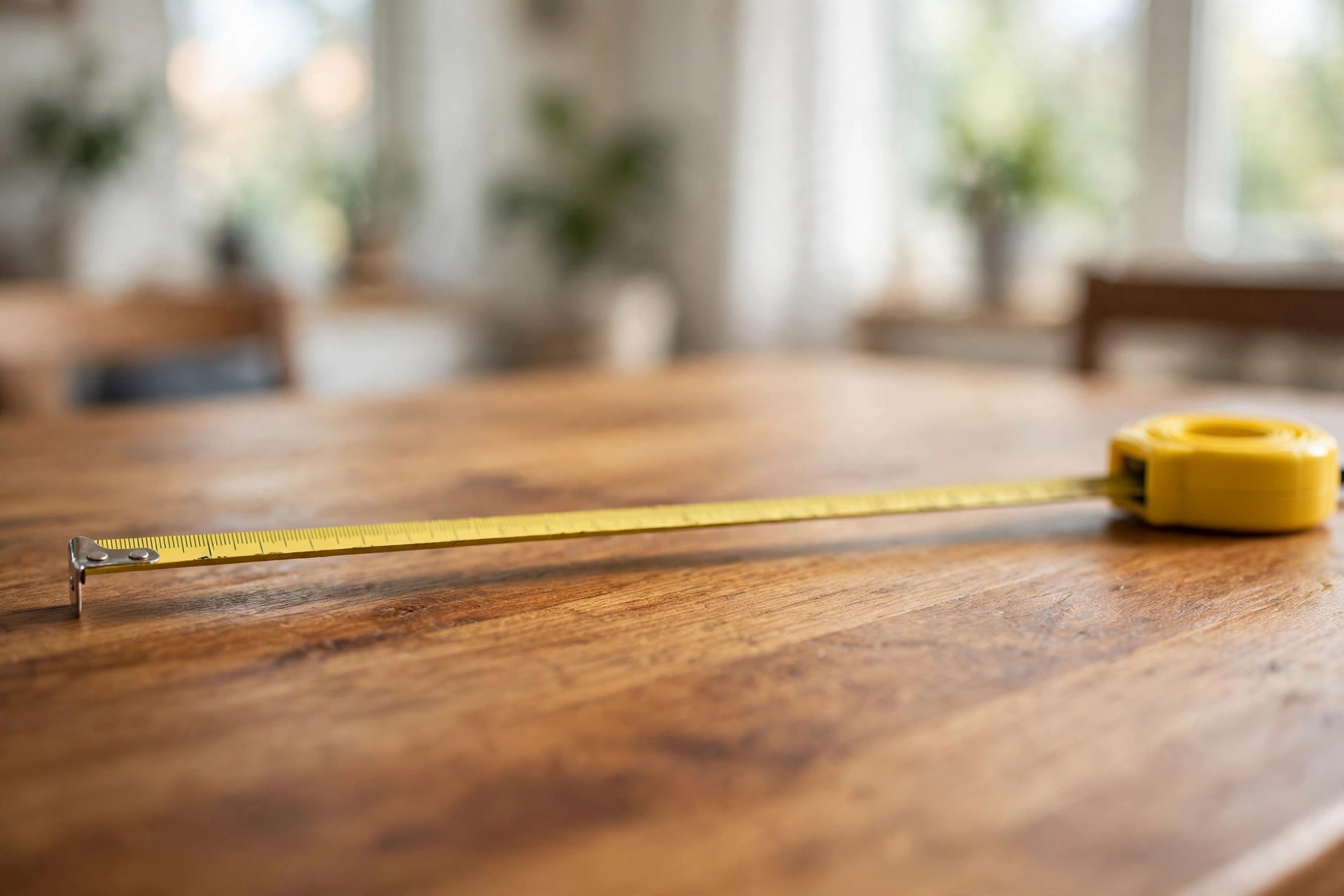
Every furniture maker, restaurant planner, and interior designer works from the same baseline: each diner needs about 24 inches of table width. Not 18, not “however many squeeze in” — 24 inches. That is elbow room for a dinner plate, a water glass, and the passing of the carving board without anyone’s sleeve landing in the gravy.
Two companion numbers complete the rule. Standard dining tables sit 28 to 30 inches tall, and dining chair seats land around 18 inches — that 10-to-12-inch gap is what lets your thighs slide under comfortably. And you want roughly 36 inches of clearance from the table edge to the nearest wall or furniture so guests can push their chairs back and stand up without performing a maneuver.
Once you have the 24-inch rule, every table in your house becomes a solvable equation: usable table length divided by 24, rounded down. The “usable” part matters — more on that in the Thanksgiving section, because serving dishes are secretly eating your seats.
Rectangle Dining Tables: The Seating Chart That Actually Works
Rectangle tables are the most common shape in American dining rooms, and their math is beautifully simple — you seat people along the two long sides, with an optional seat at each end if the table is wide enough for corner comfort.
- 48 inches (4 feet): 4 diners — two per side. Six only if you use both ends and nobody minds elbows.
- 60 inches (5 feet): 6 diners — the classic family size. Three per side, or two per side plus the ends.
- 72 inches (6 feet): 6 to 8 diners — this is the number everyone googles. How many chairs fit a 6-foot table? Three per side is comfortable; add the two ends and you get eight, though the end seats lose a little legroom.
- 84 inches (7 feet): 8 diners — four per side, ends optional for ten.
- 96 inches (8 feet): 8 to 10 diners — the full holiday-workhorse size.
The honest caveat: those “in a pinch” numbers assume slim chairs and cooperative guests. If your chairs have wide armrests or your uncle gestures while telling stories, round down, not up.
Round Tables: Diameter Seating Math
Round tables trade straight-line efficiency for conversation — everyone faces the middle, nobody gets stuck at the far end. The math shifts from length to circumference, but the 24-inch rule still governs: a circle’s circumference is roughly 3.14 times its diameter, and dividing that by 24 gives you the seat count.
- 36-inch round: 4 diners. Cozy. A fifth chair means laps in the gravy boat.
- 42-inch round: 4 to 6 diners. Six works if the table has a pedestal base — and this is the detail people miss. Four-legged tables steal knee space at exactly the spots where corner sitters go; a pedestal base gives those inches back.
- 48-inch round: 6 diners comfortably.
- 60-inch round: 8 diners — but measure your room first, because a 5-foot circle plus 36 inches of chair clearance on every side needs a 12-foot room.
That 42-inch sweet spot is exactly why round pedestal tables are the small-dining-room hero: FLNORW MALL’s 42.1-inch mid-century round dining table is listed for 4 to 6 people, and the pedestal base is doing the quiet work that makes six actually livable.
Dining Bench vs. Chairs: The Seating Hack That Adds Two
Here is the trick restaurants have used forever: benches seat more people per inch than chairs. A chair claims its full 24 inches because of armrests, chair backs, and the gap people leave between separate seats. A backless bench lets diners slide shoulder to shoulder at about 16 to 18 inches per person.
Do the math on one side of a 72-inch table: three chairs at 24 inches each, or four people on a bench at 18 inches each. Swap both sides and your 6-foot table just went from six seats to eight — a 33 percent capacity jump with zero extra floor space. Benches also slide fully under the table when dinner is over, which is a small-space gift the rest of the year.
The trade-off is real: benches are less comfortable for a three-hour Thanksgiving dinner, and getting the middle person out requires choreography. My rule is benches for the kids’ side, chairs for the adults who will be there until the pie course.
The Thanksgiving Stress Test: Your Serving Dishes Steal Seats
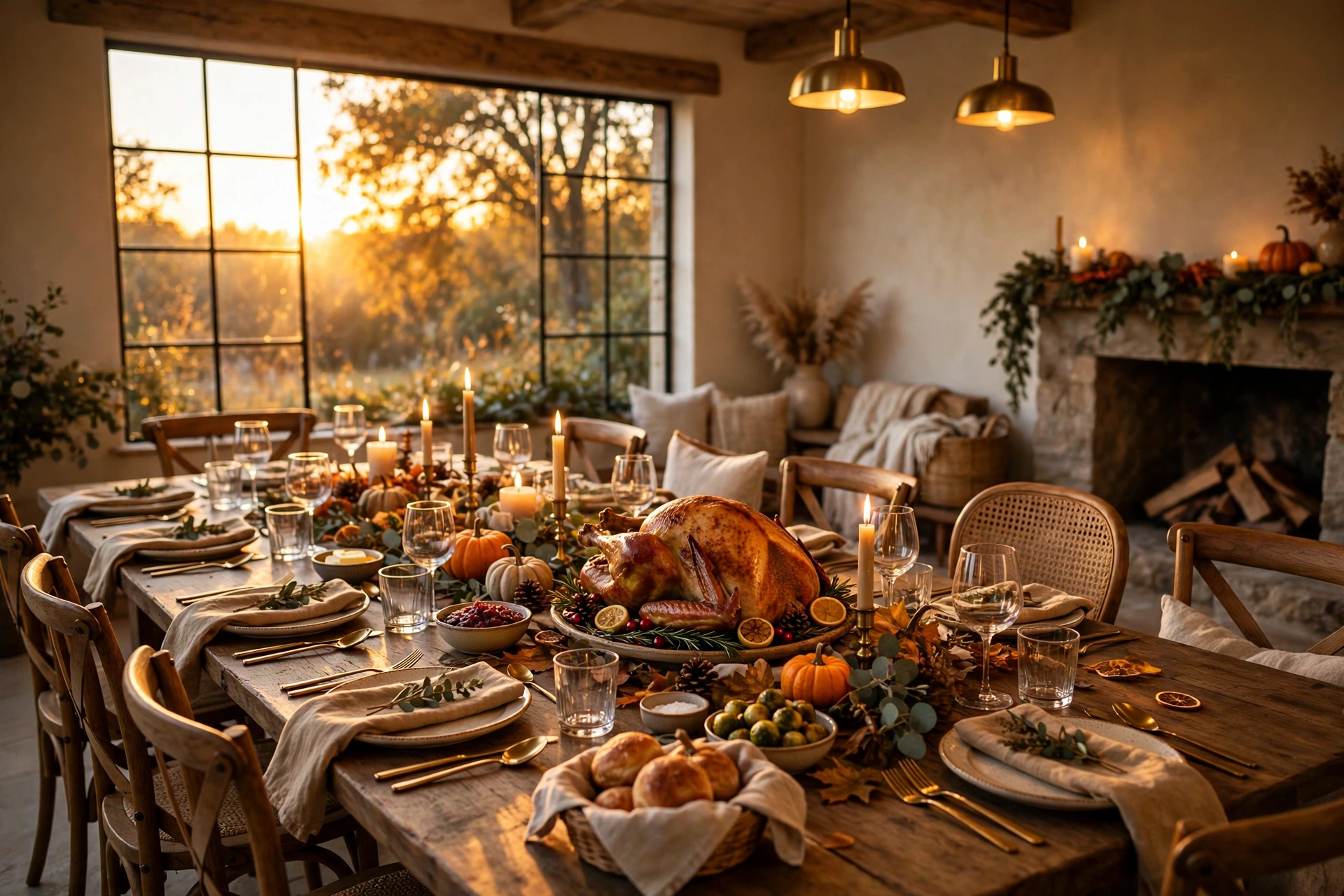
Here is the mistake I made last year, and the one I see in every “why is everyone cramped” Thanksgiving photo: the seating chart assumes an empty table. Thanksgiving tables are never empty. The turkey platter, the bowl of mashed potatoes, the gravy boat, the green bean casserole, the rolls, the cranberry sauce, the centerpiece your mother-in-law brought — serving dishes quietly consume 12 to 18 inches of table length down the middle.
Run the stress test before the holiday. Measure your table’s usable length, subtract a foot for the serving zone, then divide by 24. My 72-inch table looked like an 8-seater on paper. Minus 12 inches of serving dishes, it was a 60-inch table — a 6-seater, and barely. That single subtraction explained my entire piano-stool situation.
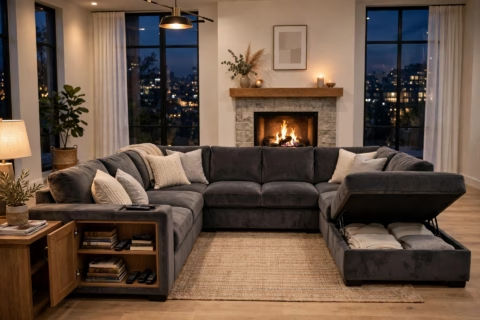
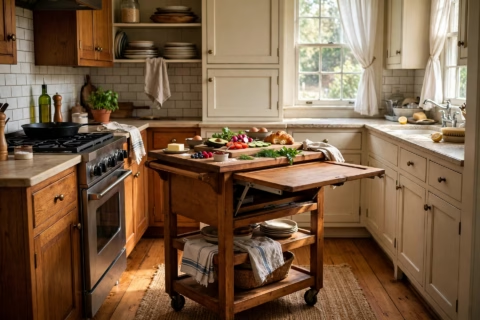
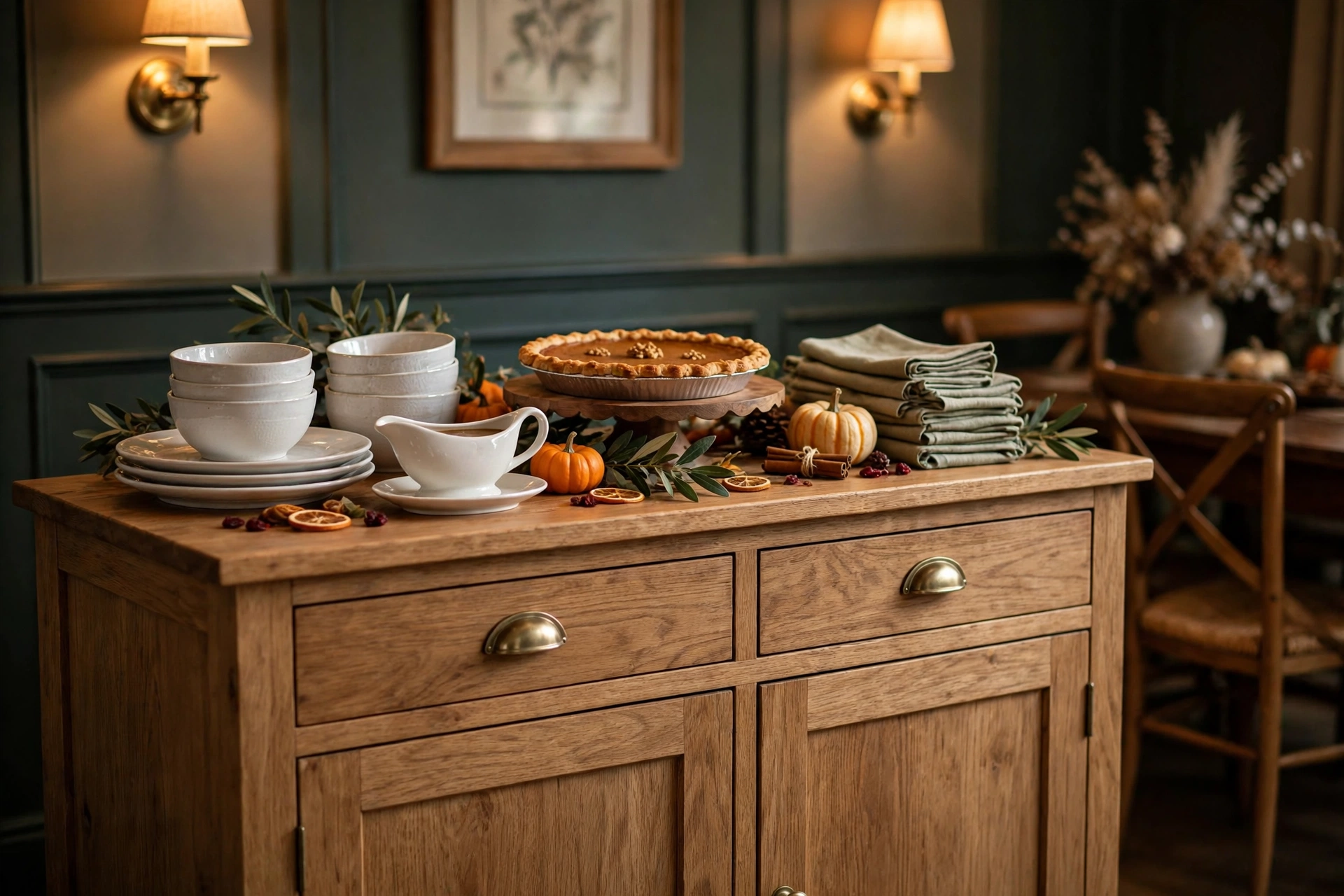
The fix that changed everything at my house: get the food off the table. A farmhouse buffet sideboard against the dining room wall becomes the serving station — turkey carved in the kitchen, sides lined up on the buffet, table reserved for plates and people. Every inch of serving space you move off the table is an inch of seating you get back, and guests serve themselves without the pass-the-bowl relay.
When Your Table Fails the Math: Four Fixes That Actually Work
If the stress test says your table seats six and nine people are coming, you have four honest options — ranked by how well they actually work.
1. Buy the table you needed all along: an extendable one. This is the permanent fix. An extendable dining table lives at its compact size eleven months a year and stretches out for the holidays — the square-to-rectangle stretchable design with the black marble-pattern top extends when the guest list does. If you host even twice a year, the cost-per-use math beats renting or suffering.
2. Butt a folding table against the main table. A 6-foot folding table aligned with your dining table extends the line cleanly — just match the heights (both should sit at that 28-to-30-inch standard) and throw one tablecloth over the whole span so the seam disappears. This is the fastest fix and it costs almost nothing if you already own the folding table.
3. Give the kids their own table. A small folding table in the living room or kitchen is not a demotion — kids genuinely prefer it. They eat faster, they laugh louder, and nobody has to monitor anyone’s elbows near the gravy boat. Seat the under-12 crowd together and your main table instantly recovers two to four adult seats.
4. Stock matching spare dining chairs. Even with perfect table math, Thanksgiving fails at the chairs — mismatched heights, wobbly garage chairs, the borrowing cycle. Look for wipeable upholstery, slim stackable profiles, and an 18-inch seat height. A set like FLNORW MALL’s modern PU dining chairs checks the boxes — easy-clean PU shrugs off gravy, and the slim black metal legs tuck away in a closet the other 364 days. Two sets of two covers most “oh no, four more people” surprises.
The Industry Numbers: Why This Math Matters More Every Year
I pulled the travel data because I had a hunch the guest lists are getting bigger, not smaller. AAA projected 79.9 million Americans traveling 50-plus miles for Thanksgiving in 2024 — a record, up 1.7 million from the year before, with 71.7 million of them driving (AAA Newsroom, November 2024). More travelers means more chairs pulled up to more tables.
The turkey math tells the same story. The National Turkey Federation estimates roughly 46 million turkeys are eaten each Thanksgiving, with about 88 percent of Americans eating turkey on the holiday. USA Today’s reporting puts the average Thanksgiving dinner at around nine people. Nine guests at a table most families bought when their household was four — no wonder the piano stools come out.
My rough estimate, flagged as rough: if your household hosts even three holiday dinners a year for the next decade, an extendable table or a proper set of spare chairs costs you a few dollars per seated guest per dinner. The piano stool is free, but dignity has value too.
The Verdict
Here is the whole guide in one paragraph: give every diner 24 inches, subtract a foot for serving dishes before you count seats, remember that a 6-foot table honestly seats six to eight, and use benches or a buffet sideboard when the guest list outgrows the furniture. Measure once, in October, and November stops being a seating emergency.
My table seats eight now — six chairs, one bench, and the serving dishes exiled to the sideboard. Eleven people are coming this year. For the first time, I am not worried about where anyone sits. Run your own numbers this weekend; your future self, the one carving turkey while everyone actually has a chair, will thank you.
Ready to fix your seating math before the holidays? Browse the dining furniture collection at FLNORW MALL — from extendable tables that grow with your guest list to spare dining chairs that end the borrowing cycle for good.