No Closet, No Problem: Bedroom Storage for Renters, Done Right
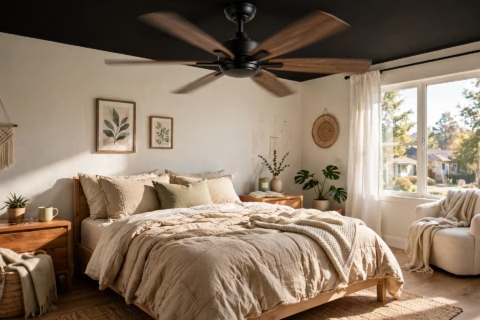
My first apartment after college had exactly zero closet space. Not a small closet. Not an awkward closet. None — the landlord had removed the bedroom closet during a renovation and never put one back. For six months, my clothes lived on a drying rack, a chair, and occasionally the floor, while I told myself I would fix it “next weekend.”
This is the bedroom storage for renters guide I wish someone had handed me back then: the real math on what your clothes actually need, three freestanding pieces I measured against my own walls, and placement rules that cost nothing and leave no holes.
Bedroom Storage for Renters: Why We Buy It Twice
Here is the pattern I watched in myself and half my friends: you move in, panic-buy the cheapest fabric cube organizer from a big-box store, and six months later it is leaning, sagging, or shredded at the seams. Then you buy the real thing. Two purchases, zero patience saved.
The scale of the problem is bigger than my bad decisions. The Census Bureau’s 2023 American Community Survey counted roughly 44 million renter-occupied homes in the United States. Many are older buildings where bedrooms were designed around one twin bed and a single-door closet — or, in my case, nothing at all. When the lease says no drilling and the walls are plaster from 1952, freestanding bedroom storage for renters is not a style choice. It is the only option.
The Fold-vs-Hang Math I Wish Someone Had Shown Me
Before buying anything, I emptied my entire wardrobe onto the bed and sorted it into two piles: things that must hang (blazers, button-downs, dresses, coats) and things that fold fine (t-shirts, jeans, sweaters, underwear). The result surprised me: roughly two-thirds folded.
That split decides everything. A hanging garment needs about 44 inches of vertical rod space and 20 to 24 inches of depth. A folded stack of jeans fits in a 12-inch-deep drawer. If you mostly wear folded clothes — like most of us in real life — drawers and shelves give you more storage per square foot than any hanging rail. Renters with a hang-heavy wardrobe (suits, uniforms, long coats) need doors and depth. Everyone else wins with drawers, which is exactly where my three picks come in.
The $168 Farmhouse Cabinet: My Storage Workhorse
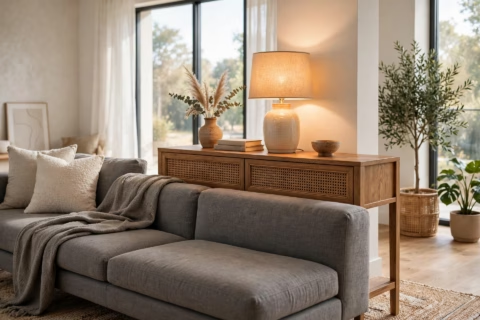
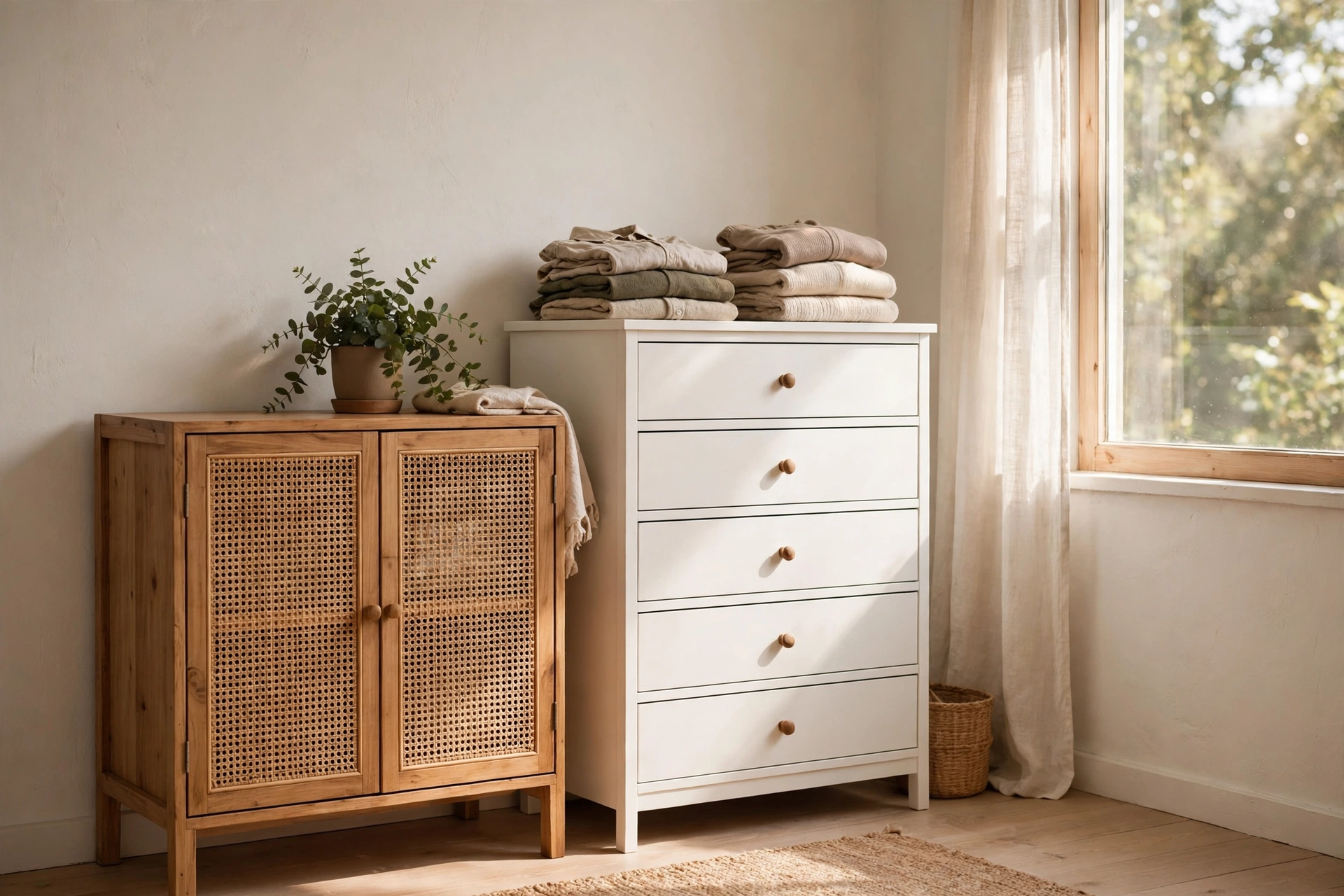
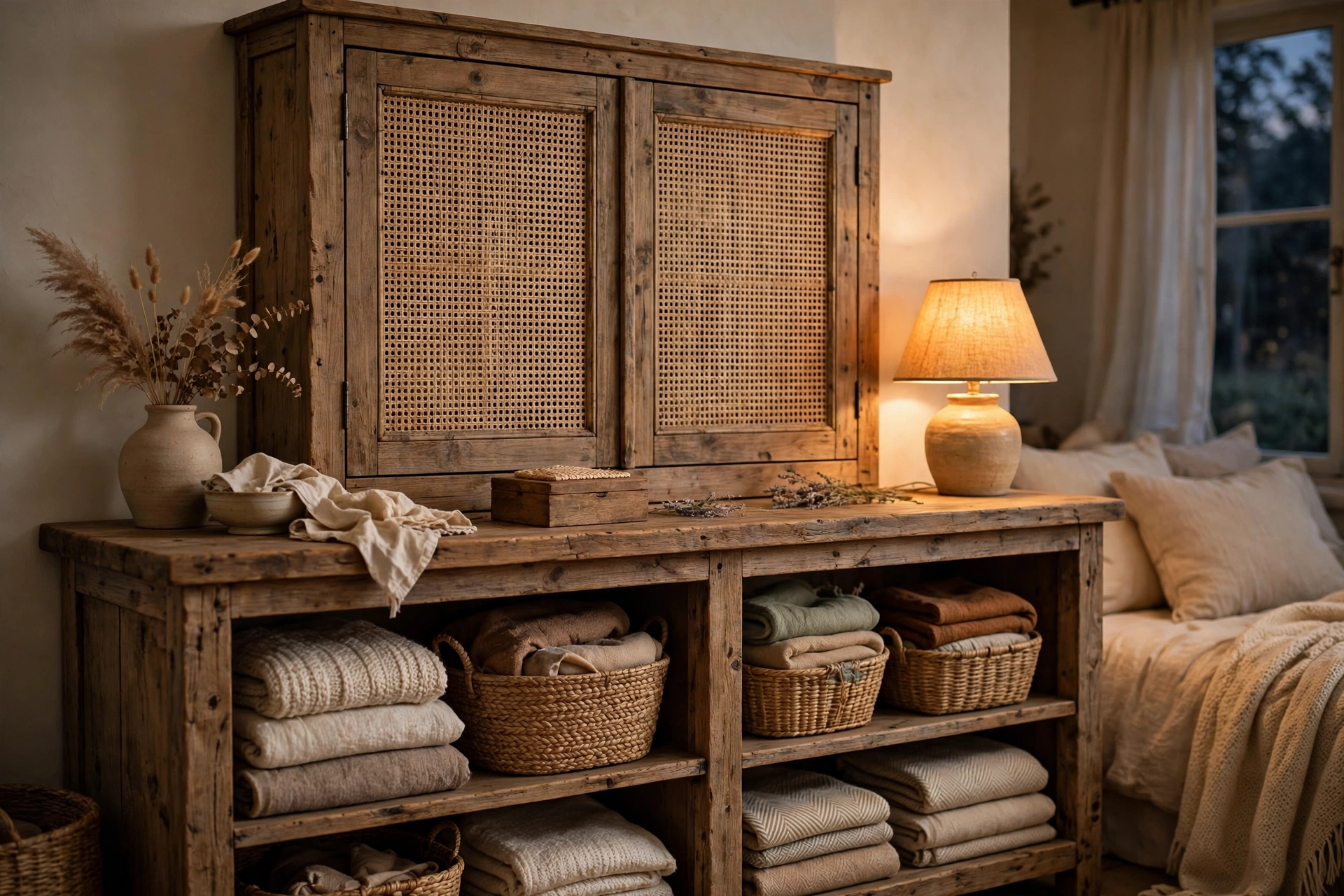
The piece that solved about 70 percent of my problem was a 59-inch-tall farmhouse storage cabinet (item W167382615) with natural rattan door fronts and a wide wooden countertop. At $168, it was the cheapest of the three I tested, and honestly the most useful: the tall format swallows folded stacks, the wide top became my catch-all for keys, wallet, and a lamp, and the rattan fronts let air move so a bedroom that gets humid in July never turned musty.
The math: at roughly $2.85 per inch of height, it was the best dollar-per-inch value of the three. That is my own back-of-the-napkin figure, not a lab measurement — but as a rough comparison it held up, and it is the piece guests always ask about.
The $199 Rattan Three-Door Cabinet: Breathing Room for Small Bedrooms
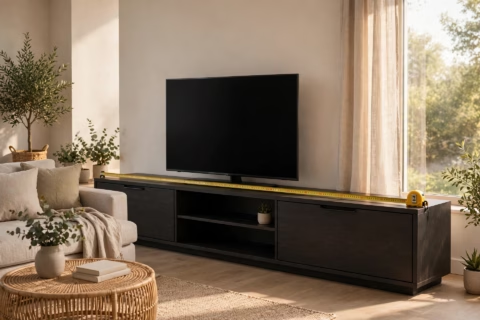
The second piece, a 45.3-inch-wide, 16-inch-deep, 28.3-inch-tall three-door cabinet with natural rattan mesh doors (item W158183966, $199), sits lower and wider — sideboard height, which means it doubles as a bench or a landing strip for a mirror. The 79-pound build (melamine over engineered wood with a carbon-steel frame) feels reassuringly solid when you slide it across a floor, and it did not wobble when I loaded all three bays with books and winter sweaters.
For renters, the 16-inch depth matters more than it sounds: a standard interior door swings through about 30 inches, so a 16-inch-deep cabinet tucked against a wall leaves real walking space in a 10-by-12 bedroom. This is the piece I would buy first if my bedroom were a true shoebox. You can see the exact rattan three-door storage cabinet on the FLNORW MALL product page for the full dimensions.
The $225 Six-Drawer Dresser: When Folding Is the Whole Plan
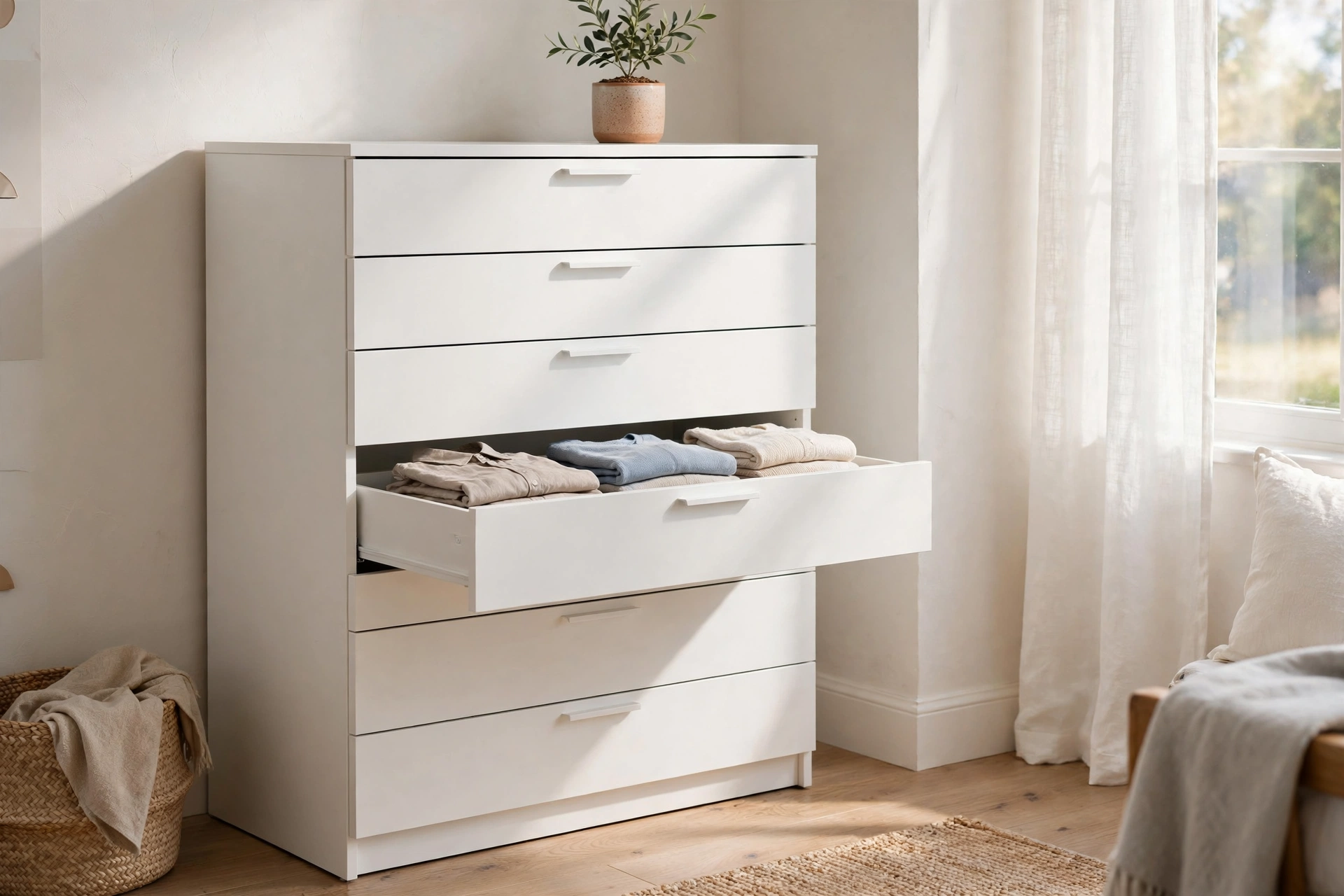
The tallest of the three, a white six-drawer dresser measuring 29.53 by 15.75 by 48.03 inches (item W2275P149119, $225), is the drawer purist’s answer: six full drawers on wide slides with anti-snag treatment, so drawers glide instead of catching halfway out. At 48 inches tall and only 15.75 inches deep, it has a narrow footprint that fits in the dead space beside a bed — and it ships with an anti-toppling device, which matters more than it sounds.
This is the part where I get serious for a moment. The Consumer Product Safety Commission has documented tip-over injuries from tall clothing storage for years, and the STURDY Act of 2022 now requires clothing storage units 27 inches and taller to pass stability testing. Any dresser this tall should be anchored to the wall — which collides head-on with the renter’s no-drilling rule. So buy the dresser, use the anti-tip hardware if your lease allows even the smallest screws, and at minimum load the heaviest items in the bottom drawers and never let a kid climb it. I keep my winter jeans and a toolbox down low. Physics is free.
Bedroom Storage for Renters: Five No-Drill Placement Rules
- Float the tall piece against the longest wall. A 48-inch dresser reads as architecture, not clutter, when it shares the bed’s wall instead of crowding a corner.
- Keep 30 inches of door swing clear. Tape the arc on the floor before you unbox anything — it is the cheapest insurance against daily annoyance.
- Put heavy low, light high. Books and denim at the bottom, t-shirts and linens up top. Lower center of gravity means less wobble and longer furniture life.
- Give rattan room to breathe. Rattan fronts look best and ventilate best with an inch or two off the wall — never jam them flush against a damp exterior wall.
- One landing surface per room. Keys, wallet, watch — if every piece has stuff on top, the room feels busy. In my apartment, the farmhouse storage cabinet’s wide countertop won that job.
The Cost Math: A Full Bedroom-Storage Setup Under $600
Add all three — $168 plus $199 plus $225 — and you land at $592: a tall cabinet, a wide sideboard-height cabinet, and a six-drawer dresser. That is roughly what a single built-in closet insert costs installed, except you take all of it with you when the lease ends. My first panic-bought cube organizer was $45 and lasted seven months; over the same money, these three amortize to about $3.30 a week over three and a half years — roughly the price of one laundry load. That weekly figure is my estimate, flagged as mine; your mileage depends on how often you move.
The Verdict
Two years into the no-closet life, the setup still works: the farmhouse cabinet holds the folded bulk, the rattan three-door cabinet swallows books and off-season clothes, and the six-drawer dresser keeps daily wear within arm’s reach of the bed. No holes in the walls, no closet required, and the next landlord gets the apartment back exactly as I found it.
Shop the exact setup
- 59" Tall Rustic Farmhouse Storage Cabinet — $168
- Three-Door Rattan Storage Cabinet — $199
- Modern 6-Drawer Dresser with Anti-Toppling Device — $225
All three ship from FLNORW MALL — browse the full bedroom furniture collection on the homepage, or find more small-space guides on the blog.